

Reporting
Integrating ESG Transformation into the Company of the Future
.avif)

Integrate ESG Transformation into the Company of the Future
In our digital, data-driven world, trust is the foundation for every action, every relationship, and every transaction. It is the key to success in sustainable digital transformation.
Digital trust programs have traditionally focused on data protection and the reliability, security, and integrity of products and services. In the future, however, trustworthy organizations will need to expand their objectives beyond ensuring data protection and cybersecurity. As societal expectations for responsible business practices regarding environmental protection, social justice, and good corporate governance have come to the forefront, companies are increasingly expected to embed these into broader value-driven goals. At the same time, they must also meet the demands of public policy and regulatory bodies.
To find the right balance, Environmental, Social, and Governance (ESG) factors must be integrated into the heart of a company – and that requires more than just words. Today, a company's ability to transparently present its ESG concerns has become a strong differentiator and a crucial part of trust-building conversations with stakeholders. In the future, this will be a vital characteristic.
Do you want to learn more about how you can build or optimize your sustainability management step by step? Download our free guide "The 5 Steps of Modern Sustainability Management" now.
Beyond Compliance: The Business Value of ESG in Transforming Trust
ESG topics extend beyond climate change. Environmental and biodiversity aspects, as well as social, health, and safety-related issues such as diversity, inclusion, and employee rights, are gaining increasing importance. Consequently, ESG topics are being incorporated into corporate activities and are becoming a catalyst for trust transformation. IDC predicts that by 2024, two-thirds of companies worldwide will track their performance in diversity, equity, and inclusion using ESG metrics and key performance indicators.
Forward-thinking companies recognize that promoting ESG criteria and evaluating their financial value are becoming a business imperative, not just a compliance exercise. Ultimately, corporate governance and culture are the decisive factors for a company's performance in ESG matters and its ability to drive positive change. A survey of 305 business leaders revealed that ESG drivers are increasingly linked to business value. The four most important factors were cost savings (37%), brand and trust (35%), product innovation (34%), and customer demand (33%).
How Leaders Prioritize ESG Programs and Metrics
Companies are elevating ESG sustainability from "nice-to-have" projects to critical strategic initiatives, often led by the CEO, CFO, COO, or increasingly, a dedicated Chief Sustainability Officer (CSO). This includes adhering to ESG reporting standards and frameworks, as well as using consistent, comparable metrics for collecting, evaluating, reporting, and benchmarking relevant sustainability information.
According to a 2021 global IDC sustainability survey, the most frequently tracked ESG metrics were:
ESG Criteria Play a Major Role in Partner and Supplier Selection
Companies also want to surround themselves with trusted partners who share their values and vision for a better world. Therefore, procurement teams worldwide are incorporating sustainability criteria into their supplier selection process. 72% of respondents in IDC's ESG Business Services End-User Survey stated that ESG and sustainability play a significant role in their purchasing decisions for technology and services. And in Europe, half of companies are already integrating ESG KPIs into their partner selection process.
Why ESG Strategies Require an Integrated Approach
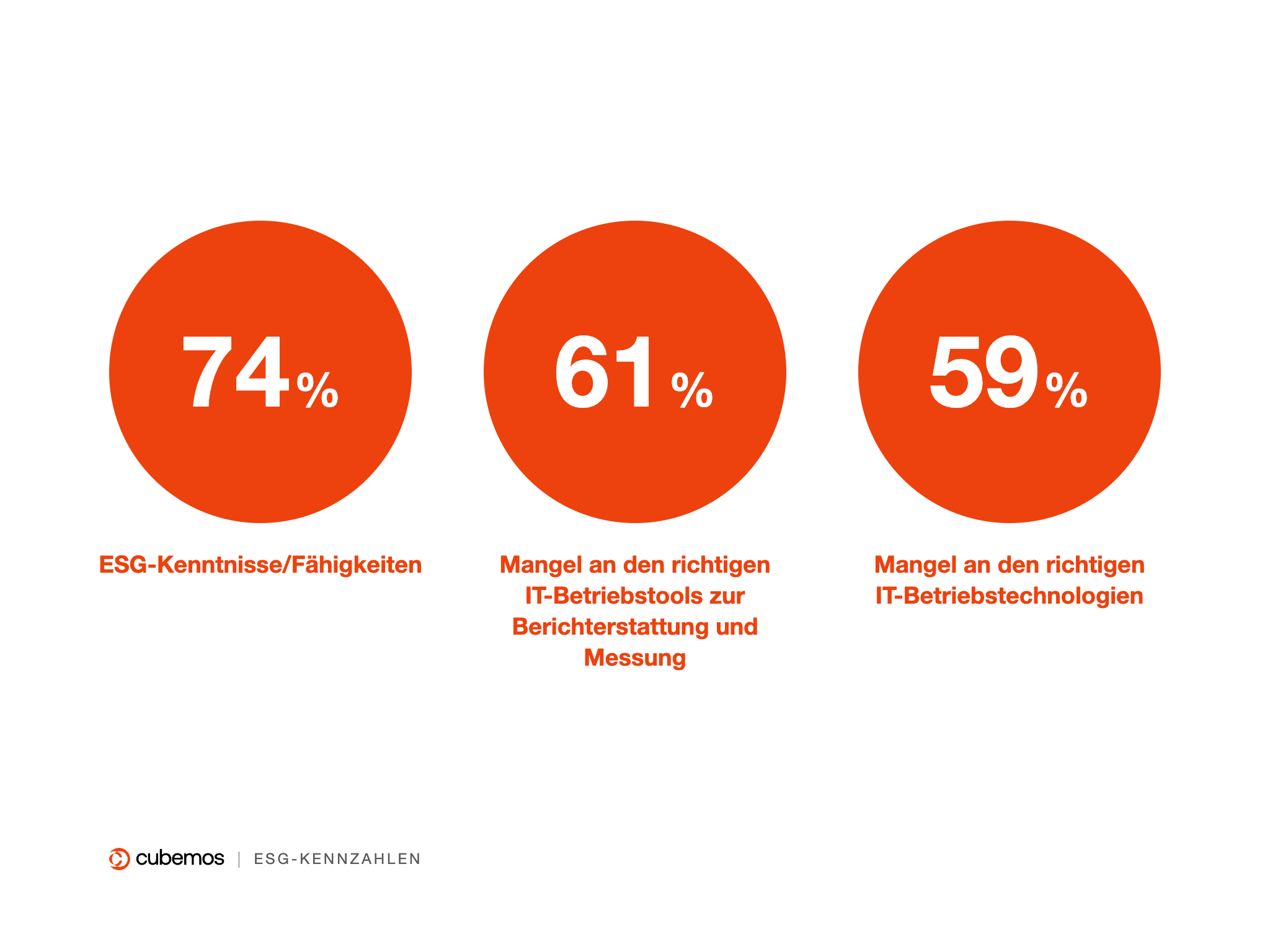
The complexity and multifaceted nature of ESG require an integrated business approach that encompasses people, processes, and technology. Companies are best positioned when they can be transparent with auditable data and reports and make this information publicly accessible. Ultimately, ESG requires measurement, managing unique data sources, reporting on progress, and taking action to improve performance. While companies see clear benefits in an integrated strategy, they cite a lack of ESG expertise, organizational visibility into their sustainability position, and operational technologies as obstacles to achieving their goals.
Driving ESG Impact and a Shift in Trust Through Technology
Integrated ESG platforms can help companies increase the efficiency and productivity of their sustainability initiatives by enabling a shift from manual, spreadsheet-based data collection to automated processes. Almost all (99%) respondents to a global IDC survey want an integrated sustainability solution, with 85% stating it would be very valuable or a critical factor. These platforms provide companies with the necessary tools to measure environmental and social impact, as well as to track and report on internal governance. This helps companies implement policies that reduce risks and ensure compliance, while also enabling them to communicate more effectively with internal and external stakeholders.
Key Considerations for Implementing an ESG Solution
Critical factors for a successful ESG platform include modular deployment options, a comprehensive data collection and aggregation system, and extensive compatibility with reporting and rating frameworks. When implementing ESG technologies, alignment with business requirements is paramount. In practice, this means identifying areas where efficiency improvements (energy, products) align with both economic and environmental goals. Implementation will only be partially beneficial if the company has not committed to integrating sustainability into its business strategy. Further operational considerations include:
- ESG Risk Management: Risk frameworks, governance, and responsibilities should be aligned to address ESG risks, enabling better management and strategic decision-making. ESG technology can automate some of the processes for assessing your risk posture. Integrate key initiatives into awareness training, company policies, and mission statements to strengthen corporate culture and foster responsible attitudes and actions.
- Internal Stakeholder Engagement: Stakeholder engagement in sustainability initiatives is key to success. Involving sustainability officers in functional business areas can facilitate successful implementation.
- Metrics Matter: Without performance indicators, technology cannot be fully leveraged. KPIs should be developed to continuously track performance and achieve desired outcomes.
Companies cannot simply wait and hope things will sort themselves out. Instead, they must anticipate future ESG issues and events by purposefully shaping their business models and developing a sustainability strategy. More than ever, integrated ESG platforms can accelerate performance by providing the necessary transparency and agility to foster better governance and collaboration with various stakeholders, while also identifying opportunities for business transformation.
.jpeg)
.avif)


.avif)
